More insights for athletes
Explore additional training strategies and performance techniques

December 16, 2025
Discover how mental toughness and disciplined training habits separate good athletes from championship performers. Learn the mindset strategies used by college-bound athletes.
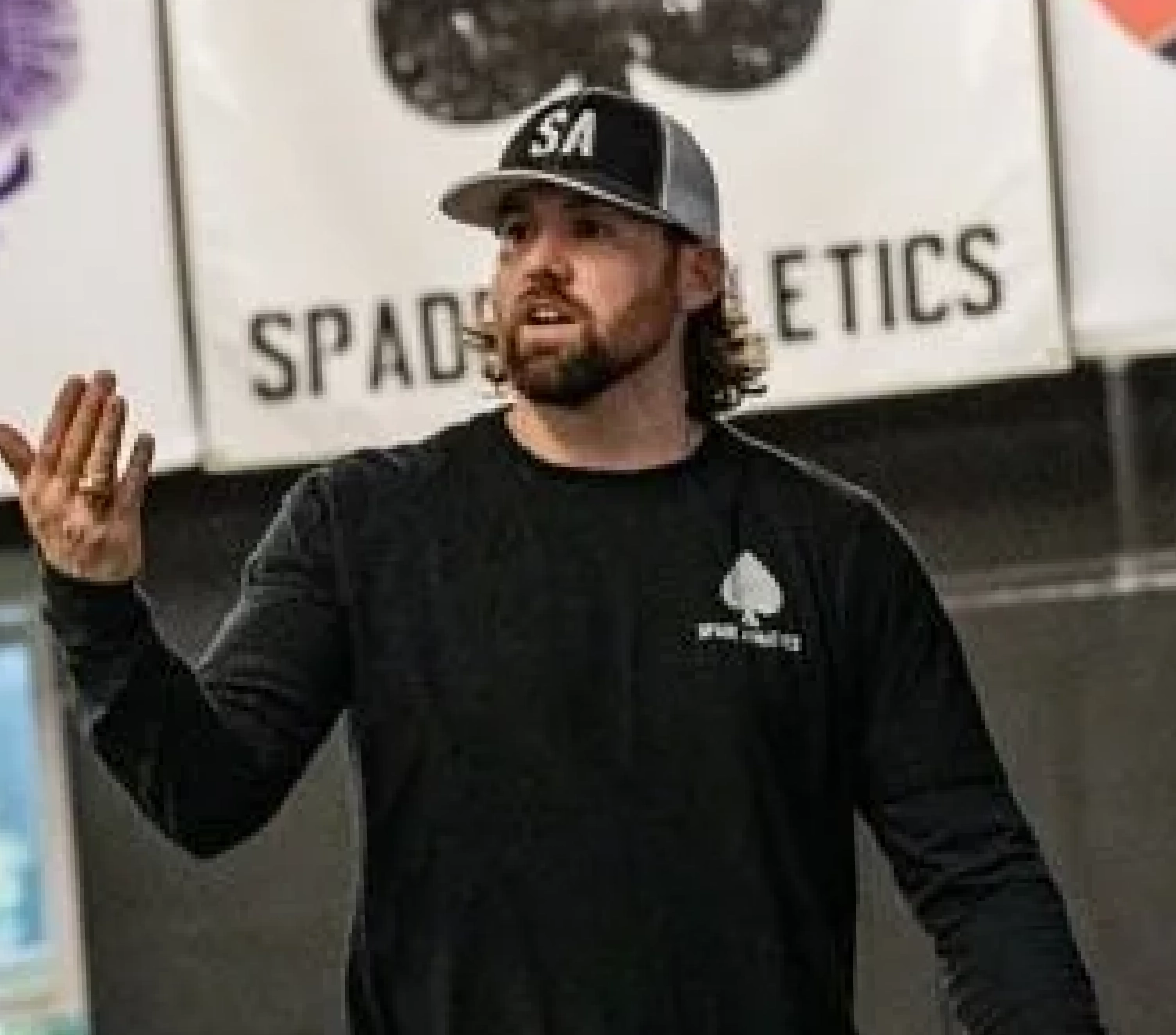
Every September, I watch the same pattern play out. Athletes show up to their first training session full of motivation. They're ready to get faster, stronger, and better than they've ever been. They're fired up about the upcoming season. They tell me about their goals: making varsity, earning a starting spot, getting college coaches to notice them. And then about three weeks in, when the newness wears off and the real work starts, I see who's actually serious and who was just excited about the idea of getting better.
Here's what I've learned after sending over 100 athletes to college sports and coaching multiple state champions: talent gets you noticed, but mindset keeps you there. The athletes who make it to the next level aren't always the most naturally gifted kids in the room. They're the ones who show up when they don't feel like it. They're the ones who trust the process when results aren't immediate. They're the ones who understand that becoming elite is a mental game just as much as a physical one.
Walk into any high school weight room and you'll see the gap immediately. Some kids are grinding through their sets with focus and intensity. Others are going through the motions, checking their phones between exercises, socializing instead of training. Same facility. Same equipment. Same program. Completely different outcomes.
The difference isn't physical. It's mental. Most athletes never reach their potential not because they lack ability, but because they lack the mental discipline to consistently do what's required. They want the results, but they don't want the process. They want to be fast, but they don't want to run sprints when they're tired. They want to be strong, but they don't want to push through the last two reps when it burns. They want college coaches to notice them, but they don't want to train in the off-season when nobody's watching.
This is the reality that separates good from great: Elite performance requires you to do things you don't feel like doing, consistently, over long periods of time, with no guarantee of immediate results. That's not a physical challenge. That's a mental one. And most athletes fold when faced with it.
After years of coaching athletes who've gone on to compete at the college level, I've identified four mental characteristics that show up in every single one of them. These aren't personality traits you're born with. They're habits you develop through intentional practice. And they matter more than your 40-yard dash time or your max squat.
Pillar 1: Process Over Outcome
Championship athletes don't obsess over results they can't control. They obsess over the daily habits that produce those results. They understand that you can't control whether a college coach shows up to your game. But you can control whether you train with intensity every single day so that when that coach does show up, you're ready.
This mindset shift is everything. Most athletes focus on outcomes: making varsity, earning a scholarship, winning a championship. Those are fine goals, but they're terrible daily motivators because they're too far away and too dependent on factors outside your control. Championship athletes focus on process: did I execute every rep with maximum effort today? Did I show up even though I was tired? Did I push through when it got hard? Those are things you control completely.
When you commit to the process, outcomes take care of themselves. I've watched athletes transform from average to elite not because they got more talented, but because they got more disciplined about showing up and doing the work every single day.
Pillar 2: Comfortable Being Uncomfortable
Here's a question I ask every new athlete: can you stay focused when your legs are burning, your lungs are screaming, and everything in your body is telling you to quit? Because that's where real growth happens. That's the moment where elite athletes separate from everyone else.
Most people avoid discomfort. They stop the set when it gets hard. They slow down when the sprint starts to hurt. They take the easy route when the hard route would make them better. Championship athletes do the opposite. They've trained themselves to recognize discomfort as the signal that growth is happening, not the signal to stop.
This doesn't mean being reckless or training through injury. It means developing the mental capacity to push through legitimate training discomfort, the kind that makes you better. It means being able to run one more sprint when you're tired. It means finishing the set even when the weight feels heavy. It means showing up for the early morning session when you'd rather sleep in.
Athletes who can do this consistently develop a competitive advantage that has nothing to do with genetics. They can perform when it's hard. They can execute when they're fatigued. They can deliver in the fourth quarter when everyone else is mentally and physically done. That's not talent. That's mental toughness built through hundreds of uncomfortable training sessions where they chose to push instead of quit.
Pillar 3: Long-Term Thinking in a Short-Term World
I had an eighth-grader come in recently asking how fast he could get a college scholarship. I told him the truth: if you start training seriously now, stay consistent for four years, and trust the process, you'll be in a position to compete for college opportunities by your junior year. His face fell. Four years felt like forever.
Here's the problem with youth sports today: everyone wants immediate results. Athletes want to get faster in a month. Parents want to see their kid starting varsity as a freshman. Coaches promise transformation in six weeks. It's all short-term thinking in a game that rewards long-term commitment.
Championship athletes think differently. They understand that elite performance is built over years, not weeks. They're willing to put in two years of foundational strength work because they know it will pay off when they're juniors and seniors. They're willing to train through an entire off-season with no games or competitions because they know that's when real development happens. They don't need instant gratification. They trust that consistent work compounds over time.
This is why we've sent over 100 athletes to college sports at Spade Athletics. Not because we have magic programs, but because we work with athletes who think long-term and commit to the process long enough to see results. The kids who bounce between facilities looking for quick fixes never make it. The kids who show up for four years straight and trust the system always do.
Pillar 4: Ownership and Accountability
Here's the mindset shift that changes everything: stop waiting for someone else to make you better and take complete ownership of your development. Your coach can design the program. Your trainer can teach you the techniques. Your parents can drive you to the facility. But nobody can make you execute with intensity. Nobody can make you stay disciplined when you're tired. Nobody can make you care about getting better. That's on you.
Championship athletes take full ownership of their performance. When they have a bad game, they don't blame the refs or their teammates. They look at what they could have done better. When they plateau in training, they don't make excuses about genetics or bad luck. They evaluate their effort, their nutrition, their sleep, and they make adjustments. They understand that their results are a direct reflection of their choices.
This level of accountability is rare, especially in young athletes. Most kids want to blame external factors when things don't go their way. Championship athletes do the opposite. They look inward first. They ask themselves: did I do everything I could do to prepare for this? And if the answer is no, they fix it.
Theory is great, but let me show you what championship mindset looks like in real training sessions at Spade Athletics.
It's the sophomore who shows up at 6 AM for training before school because that's the only time that works with his schedule, and he refuses to miss sessions. He could make excuses about being tired or having too much homework. He doesn't. He adjusts his sleep schedule and gets it done.
It's the junior volleyball player who stays after every session to work on mobility because she knows her hip tightness is limiting her jumping ability. She's not naturally flexible. She's never going to love stretching. But she does it anyway because she's committed to the outcome.
It's the football player who asks for extra sprint work even though he's exhausted because he knows his 40 time needs to drop if he wants college coaches to take him seriously. He's not trying to impress anyone in the gym. He's focused on the goal six months from now.
These athletes aren't special. They're disciplined. They've developed the mental habits that allow them to consistently do what's required even when they don't feel like it. That's championship mindset in action.
Here's what most people miss: mental toughness isn't something you either have or don't have. It's a skill you develop through practice. Every time you choose to push through discomfort, you're building mental resilience. Every time you show up when you don't want to, you're strengthening discipline. Every time you focus on process over outcome, you're training championship mindset.
At Spade Athletics, we build athletes physically through proven strength and speed programs. But we also build them mentally by creating an environment where showing up, working hard, and trusting the process is non-negotiable. The athletes who embrace this mindset don't just get faster and stronger. They develop the mental characteristics that allow them to compete at the next level.
Your body can only take you so far. Your mind determines whether you get there.
Explore additional training strategies and performance techniques

Take the first step towards unlocking your full athletic potential with a FREE performance assessment.