More insights for athletes
Explore additional training strategies and performance techniques

December 16, 2025
Understand how professional athletes build speed through targeted training techniques. Learn the proven speed development drills that separate varsity starters from the bench.
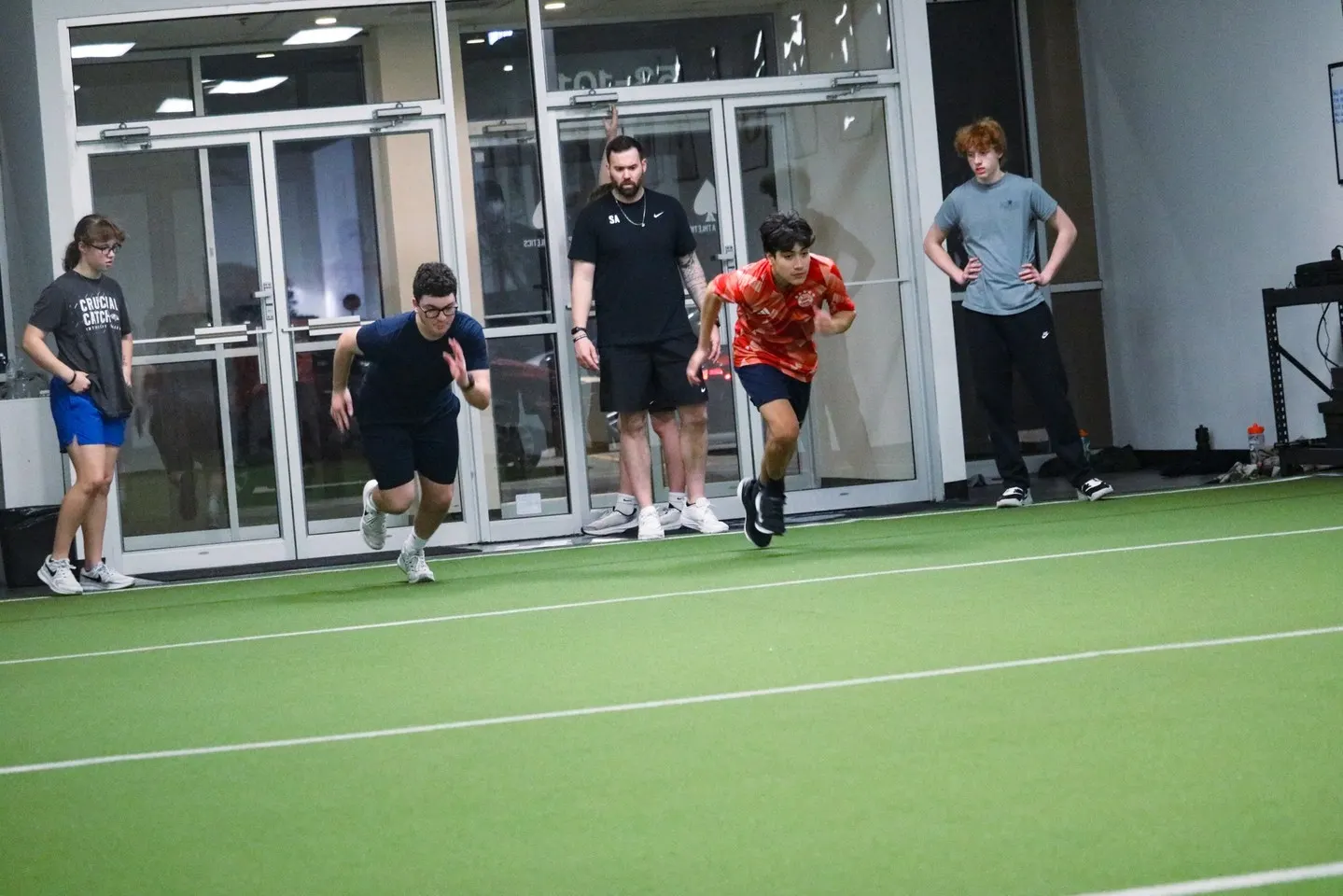
Your athlete shows up to practice. They run the drills. They put in the hours. But when the whistle blows and it's time to explode off the line, they're still half a step behind. Here's what most coaches won't tell you: working harder isn't the same as working smarter. Speed isn't just about effort. It's about understanding how your body generates explosive power and training those specific systems to fire faster.
At Spade Athletics, we've sent over 100 athletes to college sports not because they outworked everyone else, but because they trained smarter. Speed development training isn't about running until you're exhausted. It's about teaching your nervous system, muscles, and movement patterns to work together with maximum efficiency. Let's break down exactly how that happens.
Walk into most facilities and you'll see the same tired approach: run some sprints, do some agility ladders, maybe throw in some cone drills, and call it speed training. The problem? Your body doesn't get faster from random drills. It gets faster when you systematically develop three interconnected systems.
First, you need neural drive. This is your brain's ability to recruit muscle fibers quickly and powerfully. Think of it like this: you have the muscle, but can your nervous system flip the switch fast enough to use it? Speed development workouts that focus on explosive starts, reactive drills, and max-effort sprints train your nervous system to fire faster. This is why plyometric work matters. This is why we don't just have athletes run. We teach them to explode.
Second, you need force production. Speed isn't just about moving your legs fast. It's about how much force you can generate with each step. This is where strength training enters the conversation. Most speed training programs completely separate strength work from speed work. That's a fundamental mistake. At Spade Athletics, we integrate Olympic lifts and explosive strength exercises directly into our speed development because your ability to produce force determines your acceleration capacity.
Third, you need technical efficiency. Bad running mechanics are like trying to drive a car with the emergency brake on. You can press the gas all you want, but you're fighting yourself the entire way. Proper sprint mechanics, arm drive, foot strike patterns, and body positioning can shave tenths of seconds off your time without any additional fitness. These speed development drills aren't about working harder. They're about eliminating the mechanical inefficiencies that are holding you back.
Here's how we structure athletic performance training at Spade Athletics to develop legitimate, measurable speed gains:
Phase 1: Foundation and Movement Quality
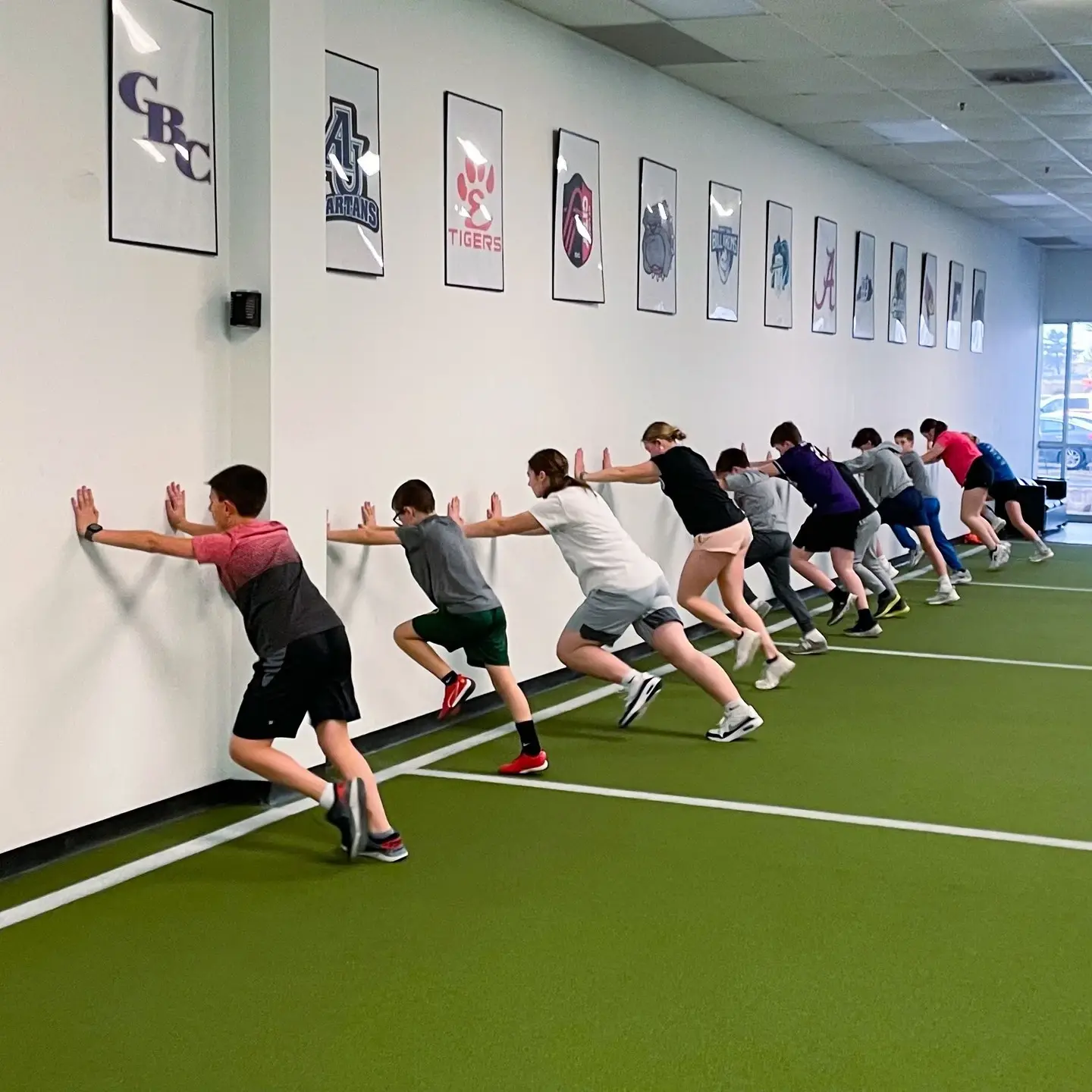
Before we make you fast, we make sure you can move correctly. This phase focuses on mobility work, stability exercises, and teaching proper sprint mechanics. You learn how to position your body, how to generate force through the ground, and how to eliminate energy leaks in your movement patterns. Athletes who skip this phase end up fast and injured. We don't do that.
Phase 2: Strength Development for Speed
Now we build the engine. This is where Olympic lifts, heavy squats, deadlifts, and explosive jumps come into play. You're developing the raw force production capacity that will translate directly to faster acceleration. This isn't bodybuilding. Every exercise has a specific purpose tied to improving your speed. We're teaching your muscles to produce maximum force in minimum time.
Phase 3: Power Application and Acceleration Work
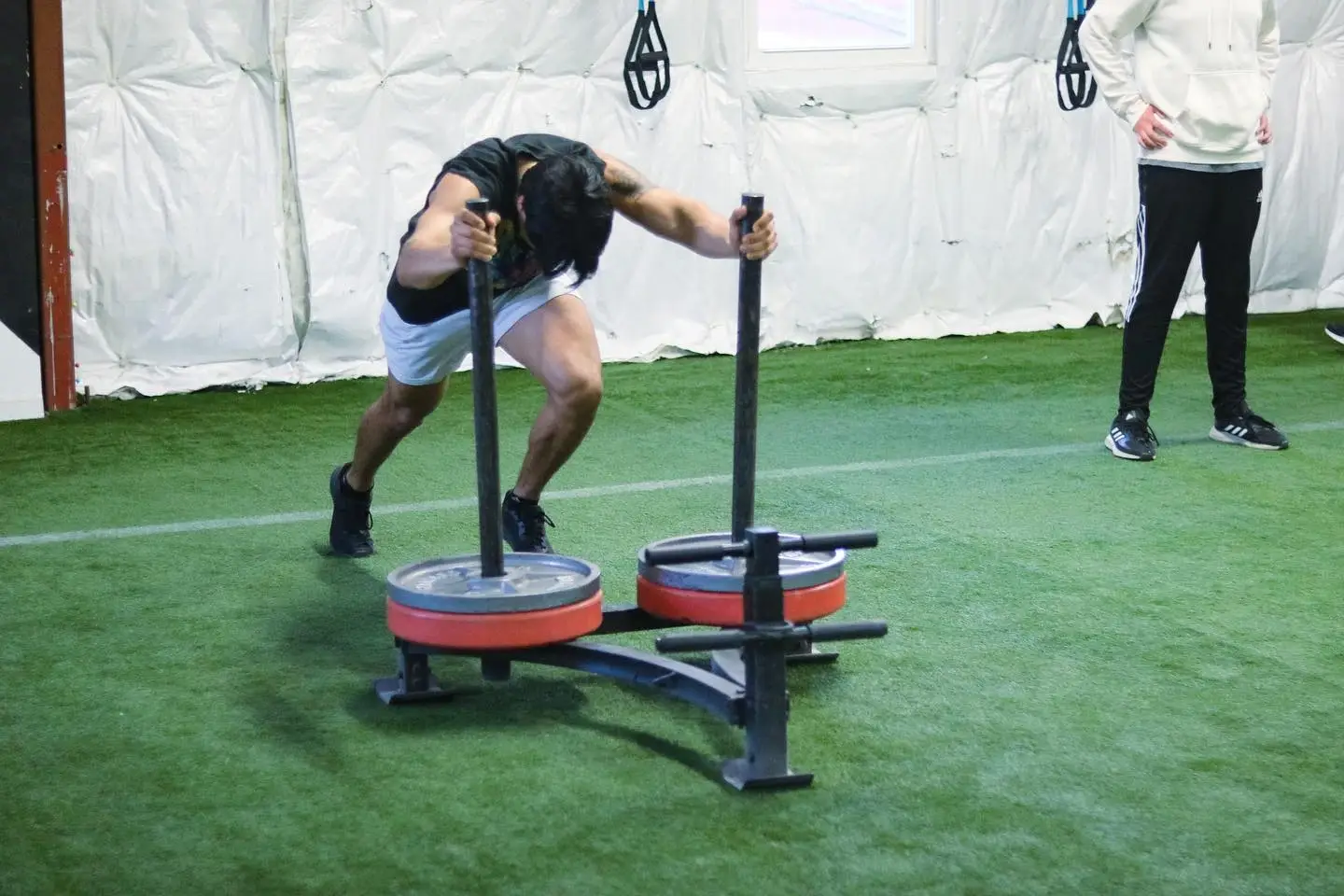
This is where strength meets speed. We take the force you've built and teach your body to express it through explosive acceleration drills. Short sprints with maximum effort. Resisted sprints that teach force production against resistance. Reactive drills that train your nervous system to fire instantly. This is where athletes start seeing dramatic improvements in their 10-yard and 40-yard times.
Phase 4: Speed Endurance and Competition Simulation
Being fast for one play doesn't win championships. You need to be explosive in the fourth quarter when everyone else is gassed. This phase focuses on maintaining your speed under fatigue and applying it in sport-specific scenarios. Now you're not just running speed drills. You're simulating game situations where speed matters most.
Here's the reality most training facilities ignore: not every athlete needs the same speed development program. A linebacker needs different acceleration qualities than a wide receiver. An eighth-grader building foundational speed needs different stimulus than a high school junior preparing for college showcases.
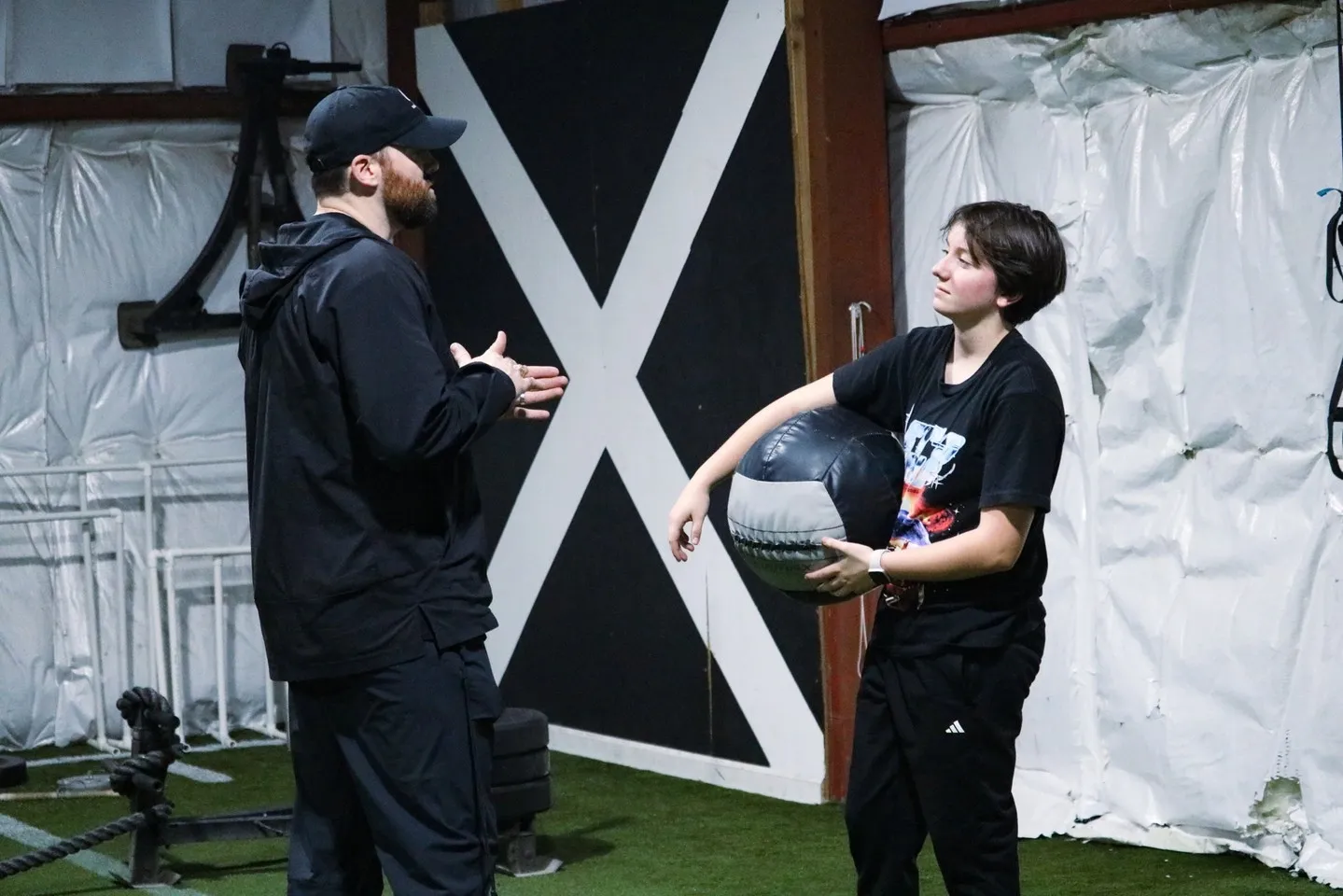
This is why cookie-cutter group sessions fail most athletes. Your training program should account for your sport, your position, your current strength levels, your movement limitations, and your competitive timeline. At Spade Athletics, every athlete goes through a comprehensive assessment before we write their program. We're not guessing what you need. We're measuring it.
When you understand what's actually limiting your speed (whether it's strength, technique, neural drive, or movement quality) you can address it systematically. That's the difference between athletes who get marginally faster and athletes who transform their game.
Speed isn't genetic destiny. It's a trainable quality that responds to intelligent programming. But it requires more than just running hard. It requires understanding the science of acceleration, implementing proven speed development drills, and committing to a process that builds on itself week after week.
The athletes we've sent to college didn't get there by accident. They got there because they trained with purpose, followed a proven system, and trusted the process long enough to see results. Your competitive edge is waiting. The question is whether you're willing to train smarter to get there.
Explore additional training strategies and performance techniques

Take the first step towards unlocking your full athletic potential with a FREE performance assessment.